
Building Custom Appliances: A Guide to Immutable Linux

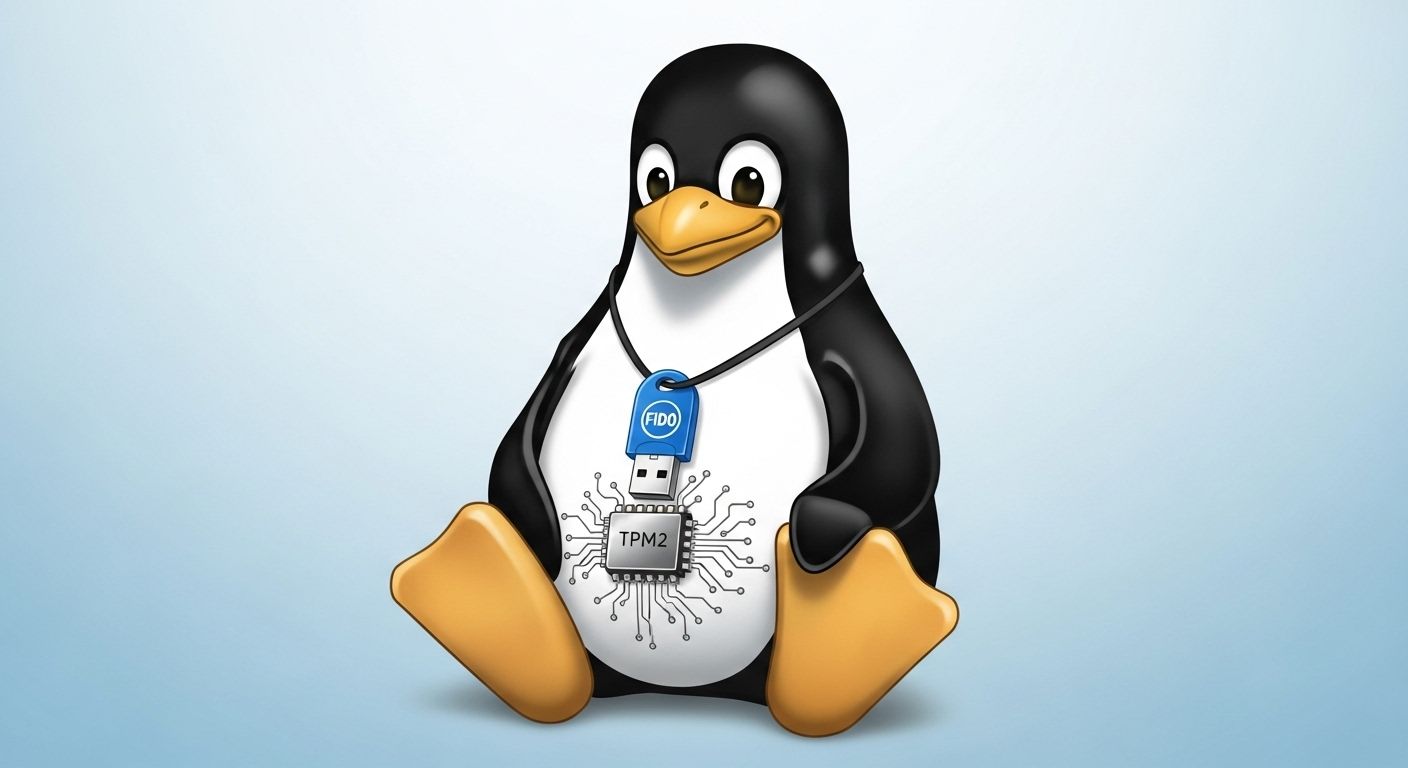
Managing a large set of systems has always been a hassle. Although tools like Ansible and Puppet simplify the process significantly, it can still be time-consuming when managing tens of systems. Appliances designed to run specific software often start as a simple Debian installation. The initial installation and configuration take a few hours, and updates usually need to be performed manually. While this small investment of time is perfectly fine for a handful of systems, growing to tens of machines requires automating installations and enabling automatic (security) updates. However, the moment you want—or need—to upgrade the Debian installation to a new major version, it can become a true nightmare. ...
27 Jan 2026 · 12 min · 2468 words

TuSK Hello

Passwords have always been a weak point in security. They can be guessed, stolen, or phished. Even a strong password can be compromised in a data breach if the server’s storage is flawed, for example, using weak encryption or storing passwords in plain text. Credentials sent over insecure channels are vulnerable to interception, and any user can fall victim to social engineering attacks in a weak moment. Using unique, strong passwords for every site is essential, which makes a password manager a necessity. However, even with a password manager, you must remain vigilant. You can still be phished, or an infostealer could compromise your device and access all your passwords. While two-factor authentication (2FA) adds an extra layer of security, even it is not immune to phishing. ...

26 Aug 2025 · 5 min · 914 words